
Basement waterproofing: base slab, diaphragm wall, walls, joints
Pick the number of basement levels, then tap a number on the section to see the materials for that location.
Tap a number on the drawing to see the materials
- HDPE / TPO sheet membrane
- Liquid polyurethane / polyurea membrane
- Crystalline waterproofing
- Waterstop, swelling bar
Click a number on the drawing to see the materials at that location
-
Base slab, pile caps
Keshun Aquaprufe APF-CPre-applied HDPE membrane · Self-adhesive selvedge laps; roll ends taped with double-sided HDPE tape
Layers and consumption
- Pre-applied waterproofing membrane laid over the blinding concrete – Keshun Aquaprufe APF-C: Self-adhesive selvedge laps; roll ends taped with double-sided HDPE tape
Alternatives: Keshun Aquaprufe APF-D110 – Pre-applied TPO membrane with heat-welded seams (per TDS).
External face of the structure, in contact with the ground. Basis: VNA's set of standard waterproofing detail drawings.
-
Basement walls, external face
Keshun FL1101Epoxy primer · 0.2 kg/m²
Keshun Aquacoat KS-929CPolyurethane membrane · 1.4 kg/m² · 2 coats
Layers and consumption
- Epoxy primer – Keshun FL1101: 0.2 kg/m²
- Polyurethane membrane – Keshun Aquacoat KS-929C: 1.4 kg/m² in 2 coats
Retaining walls accessible from outside: waterproof the external face before backfilling. Basis: VNA's set of standard waterproofing detail drawings.
-
Construction joints, pipe penetrations
Buildmix Waterstop PVCPVC waterstop · V20, O20
Layers and consumption
- PVC waterstop placed at the centre of the construction joint – Buildmix Waterstop PVC: V20 or O20 (200 mm wide); water tanks V20 / V25
- Hydrophilic swelling bar at construction joints; PU sealant around pipe penetrations: Ancillary materials per detail drawings
Slab–wall construction joints of basements and tanks; service pipes through the structure. Basis: VNA's set of standard waterproofing detail drawings.
-
Lift pit, drainage channels
Buildmix IntosealCrystalline waterproofing · 1.6 kg/m²
Layers and consumption
- Cementitious crystalline waterproofing layer – Buildmix Intoseal: 1.6 kg/m²
Alternatives: Buildmix Polylastic – 1.6 kg/m² in 2 coats (per VNA standard detail drawings).
Internal face. Basis: VNA's set of standard waterproofing detail drawings.
-
Podium slab
Keshun FL1101Epoxy primer · 0.2 kg/m²
Keshun Aquacoat KS-929CPolyurethane membrane · 1.4 kg/m² · 2 coats
Layers and consumption
- Epoxy primer – Keshun FL1101: 0.2 kg/m²
- Polyurethane membrane – Keshun Aquacoat KS-929C: 1.4 kg/m² in 2 coats
- Quartz sand broadcast for key: 2.0 kg/m²
- PE sheet, protective concrete or screed, finishes: Per architectural drawings
Top of the slab, under the protection and finishing layers. Basis: VNA's set of standard waterproofing detail drawings.
Tap a number on the drawing to see the materials
- HDPE / TPO sheet membrane
- Crystalline waterproofing
- Liquid polyurethane / polyurea membrane
- Waterstop, swelling bar
Click a number on the drawing to see the materials at that location
-
Base slab, pile caps, lift pit
Keshun Aquaprufe APF-CPre-applied HDPE membrane · Self-adhesive selvedge laps; roll ends taped with double-sided HDPE tape
Layers and consumption
- Pre-applied waterproofing membrane laid over the blinding concrete – Keshun Aquaprufe APF-C: Self-adhesive selvedge laps; roll ends taped with double-sided HDPE tape
Alternatives: Keshun Aquaprufe APF-D110 – Pre-applied TPO membrane with heat-welded seams (per TDS).
External face of the structure, in contact with the ground. Basis: VNA's set of standard waterproofing detail drawings.
-
Diaphragm wall (inside), pile heads
Buildmix IntosealCrystalline waterproofing · 1.6 kg/m²
orKeshun Aquaflex KS-101Crystalline waterproofing · 1.5 kg/m²
Layers and consumption
- Cementitious crystalline waterproofing layer – Buildmix Intoseal: 1.6 kg/m²
Interchangeable with: Keshun Aquaflex KS-101 – 1.5 kg/m² (TDS: 1.5–1.7 kg/m² per 1 mm layer; for basements, lift pits and pile-head treatment).
Diaphragm walls cannot be waterproofed externally, so they are treated from the inside (negative side); pile heads before casting the pile cap. Basis: VNA's set of standard waterproofing detail drawings.
-
Construction joints, pipe penetrations
Buildmix Waterstop PVCPVC waterstop · V20, O20
Layers and consumption
- PVC waterstop placed at the centre of the construction joint – Buildmix Waterstop PVC: V20 or O20 (200 mm wide); water tanks V20 / V25
- Hydrophilic swelling bar at construction joints; PU sealant around pipe penetrations: Ancillary materials per detail drawings
Slab–wall construction joints of basements and tanks; service pipes through the structure. Basis: VNA's set of standard waterproofing detail drawings.
-
Podium slab
Keshun FL1101Epoxy primer · 0.2 kg/m²
Keshun Aquacoat KS-929CPolyurethane membrane · 1.4 kg/m² · 2 coats
Layers and consumption
- Epoxy primer – Keshun FL1101: 0.2 kg/m²
- Polyurethane membrane – Keshun Aquacoat KS-929C: 1.4 kg/m² in 2 coats
- Quartz sand broadcast for key: 2.0 kg/m²
- PE sheet, protective concrete or screed, finishes: Per architectural drawings
Top of the slab, under the protection and finishing layers. Basis: VNA's set of standard waterproofing detail drawings.
Tap a number on the drawing to see the materials
- HDPE / TPO sheet membrane
- Crystalline waterproofing
- Liquid polyurethane / polyurea membrane
- Waterstop, swelling bar
Click a number on the drawing to see the materials at that location
-
Base slab, pile caps, lift pit
Keshun Aquaprufe APF-D110Pre-applied TPO membrane, heat-welded seams · Roll 20 m × 1 m, 1.5 mm or 1.7 mm thick; hot-air welded seams, probe-tested along the full length
Layers and consumption
- Pre-applied TPO membrane, heat-welded seams, laid over the blinding concrete – Keshun Aquaprufe APF-D110: Roll 20 m × 1 m, 1.5 mm or 1.7 mm thick; hot-air welded seams, probe-tested along the full length
Alternatives: Keshun Aquaprufe APF-C – Pre-applied self-adhesive HDPE membrane (per VNA standard detail drawings).
External face of the structure, in contact with the ground; high groundwater pressure. Basis: the manufacturer's technical data sheet (TDS).
-
Diaphragm wall (inside), pile heads
Buildmix IntosealCrystalline waterproofing · 1.6 kg/m²
orKeshun Aquaflex KS-101Crystalline waterproofing · 1.5 kg/m²
Layers and consumption
- Cementitious crystalline waterproofing layer – Buildmix Intoseal: 1.6 kg/m²
Interchangeable with: Keshun Aquaflex KS-101 – 1.5 kg/m² (TDS: 1.5–1.7 kg/m² per 1 mm layer; for basements, lift pits and pile-head treatment).
Diaphragm walls cannot be waterproofed externally, so they are treated from the inside (negative side); pile heads before casting the pile cap. Basis: VNA's set of standard waterproofing detail drawings.
-
Construction joints, pipe penetrations
Buildmix Waterstop PVCPVC waterstop · V20, O20
Layers and consumption
- PVC waterstop placed at the centre of the construction joint – Buildmix Waterstop PVC: V20 or O20 (200 mm wide); water tanks V20 / V25
- Hydrophilic swelling bar at construction joints; PU sealant around pipe penetrations: Ancillary materials per detail drawings
Slab–wall construction joints of basements and tanks; service pipes through the structure. Basis: VNA's set of standard waterproofing detail drawings.
-
Podium slab
Keshun FL1101Epoxy primer · 0.2 kg/m²
Keshun Aquacoat KS-929CPolyurethane membrane · 1.4 kg/m² · 2 coats
Layers and consumption
- Epoxy primer – Keshun FL1101: 0.2 kg/m²
- Polyurethane membrane – Keshun Aquacoat KS-929C: 1.4 kg/m² in 2 coats
- Quartz sand broadcast for key: 2.0 kg/m²
- PE sheet, protective concrete or screed, finishes: Per architectural drawings
Top of the slab, under the protection and finishing layers. Basis: VNA's set of standard waterproofing detail drawings.
Illustrative sections. Systems follow VNA's standard waterproofing detail drawings and the manufacturers' TDS; the final selection follows the project's design documents.
Application steps
Keshun Aquaprufe APF-C – 5 steps
- Substrate: blinding concrete or compacted sand/aggregate, even, with no voids larger than 12 mm; the substrate need not be dry but must be free of standing water.
- Lay the membrane with the white HDPE face down; stagger the roll-end joints.
- Overlap 75 mm along the self-adhesive selvedge, peel the release liner and roll firmly with a steel roller.
- Roll ends and cut edges: overlap at least 75 mm and seal with double-sided HDPE tape or the dedicated adhesive.
- Inspect and patch any damage after rebar installation, before concreting.
Notes: Can be installed at temperatures from −5 °C upwards.
Per Keshun Aquaprufe APF-C TDS, Rev. 2024. See Keshun Aquaprufe APF-C specifications and documents.
Keshun Aquaprufe APF-D110 – 7 steps
- Clean the substrate.
- Snap chalk lines for alignment.
- Lay the membrane over the main areas.
- Overlap and weld the sheet seams.
- Seal all detail locations.
- Self-check, repair and hand over.
- Install the reinforcement.
Notes: Wipe seam edges clean and dry before welding; run a test weld at the start of each shift to set the welder.
Per Keshun Aquaprufe APF-D110 TDS, Rev. 2024. See Keshun Aquaprufe APF-D110 specifications and documents.
Products in these systems
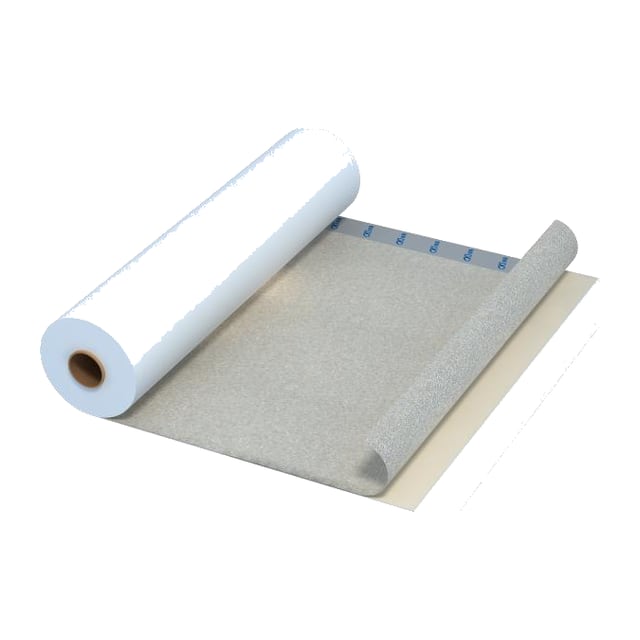 KeshunKeshun Aquaprufe APF-CPre-applied self-adhesive HDPE membrane (sand-faced) TDS · 25 pages
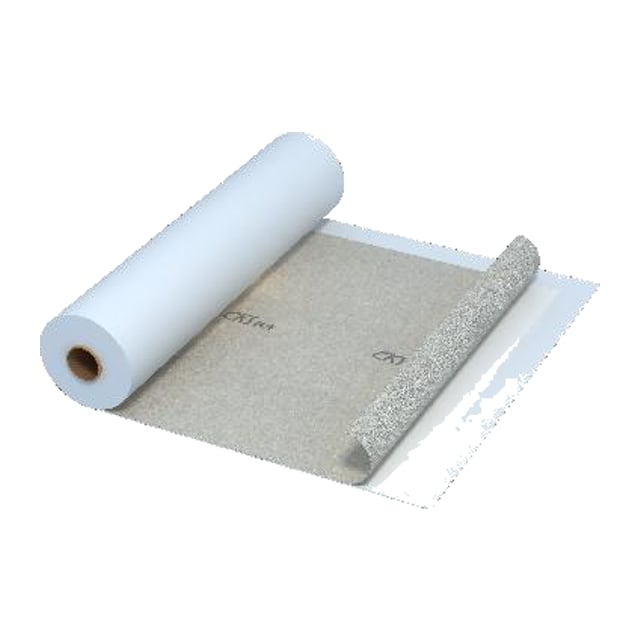 KeshunKeshun Aquaprufe APF-D110Pre-applied TPO membrane, heat-welded seams TDS · 2 pages
 BuildmixBuildmix IntosealCementitious crystalline waterproofing powder TDS · 6 pages
 KeshunKeshun Aquaflex KS-101Cementitious capillary crystalline waterproofing mortar TDS · 11 pages
 KeshunKeshun FL1101Two-component solvent-free epoxy primer TDS · 7 pages
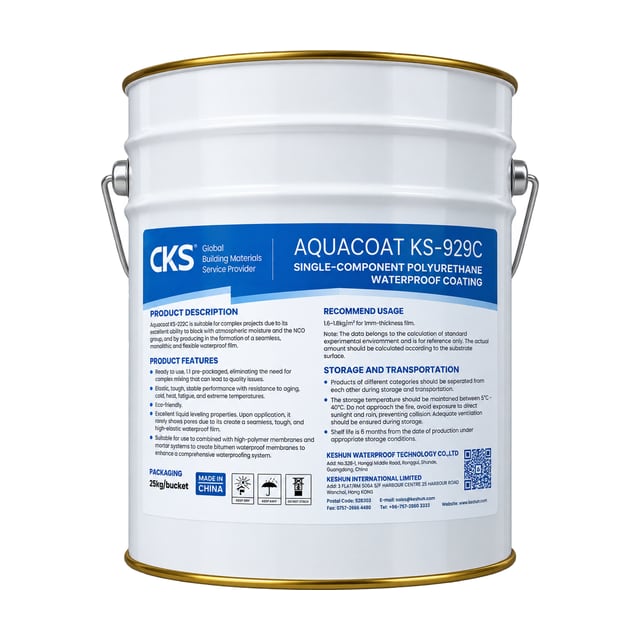 KeshunKeshun Aquacoat KS-929CSingle-component liquid-applied polyurethane membrane TDS · 35 pages
 BuildmixBuildmix Waterstop PVCFlexible PVC waterstop TDS · 8 pages
 BuildmixBuildmix PolylasticTwo-component elastomeric polymer-modified cementitious membrane TDS · 9 pages
Waterproofing detail drawings
View online or download PDF and DWG
 Standard waterproofing details – deep basements (3–4 levels)Standard waterproofing notes and typical details for buildings with 3–4 basement levels.View 4 pages
 Standard waterproofing details – 2 basements, bored pilesStandard waterproofing notes and typical details for buildings with 2 basement levels on bored piles.View 5 pages
 Standard waterproofing details – bored piles, retaining wallsStandard waterproofing notes and typical details for buildings with bored piles and retaining walls.View 5 pages
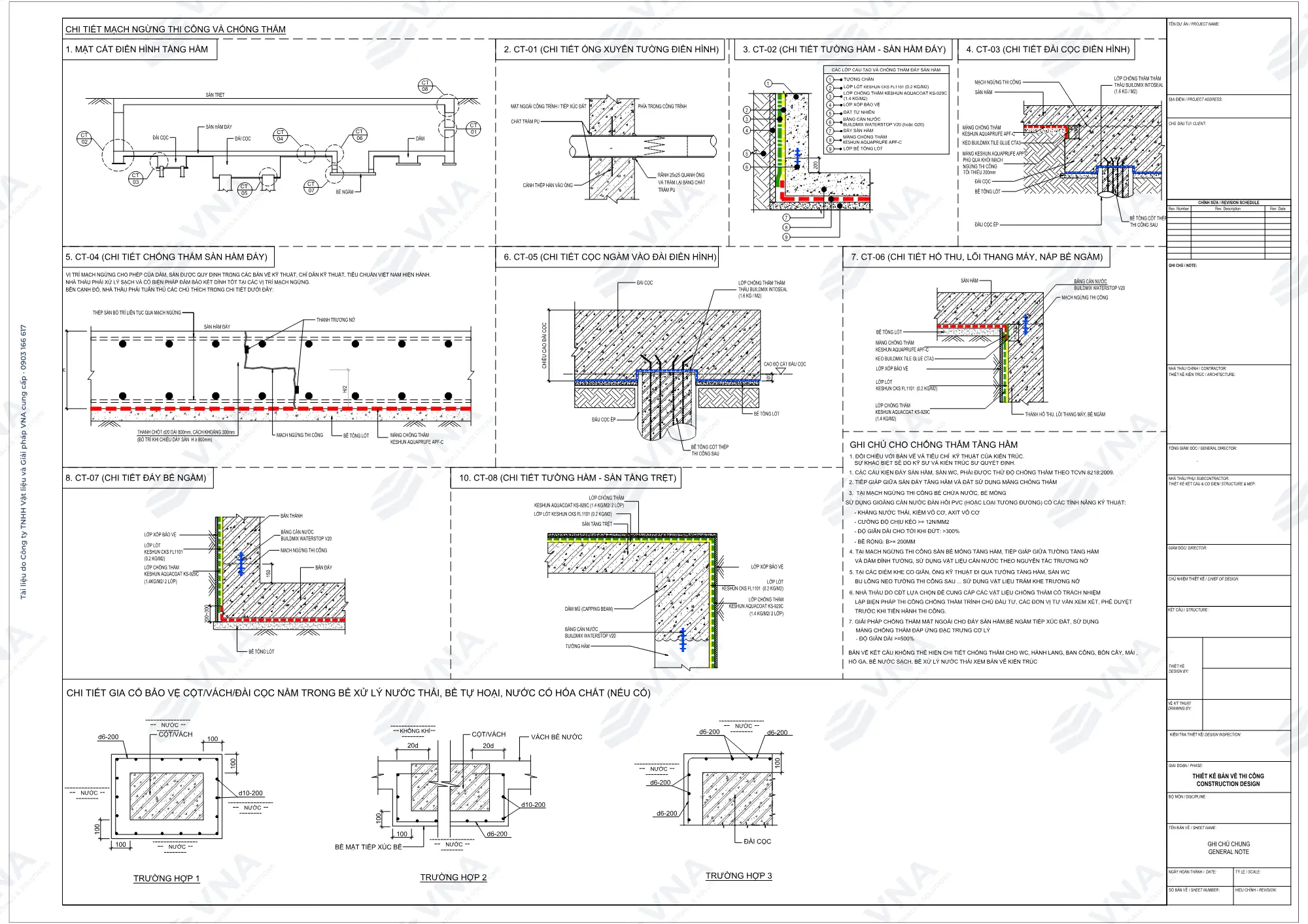 Standard waterproofing details – spun pilesStandard waterproofing notes and typical details for buildings on driven spun piles.View 4 pages
 How VNA supports your project
- System proposalsbased on your drawings and site conditions
- Submittal dossiersTDS and test reports ready in the technical library
- Waterproofing detail drawingsPDF and DWG for design teams
- Quotations & site guidanceby project quantity and schedule
Warranty: Under VNA's supervision and records, the manufacturer issues a product warranty certificate for the project; the product warranty period is 10 years.
Frequently asked questions
Which materials should be used to waterproof a basement?
Base slabs and single-sided basement walls are usually waterproofed with pre-applied sheet membranes (HDPE or TPO), because the membrane bonds fully to the concrete cast against it and prevents lateral water migration between membrane and structure. Construction joints are additionally sealed with PVC waterstops.
HDPE or TPO membrane for a basement base slab?
Both are pre-applied membranes that bond to the concrete cast on top. HDPE offers high tensile and puncture resistance with self-adhesive lap seams. TPO is more flexible and its heat-welded seams are less sensitive to edge conditions and can be probe-tested. The choice depends on site conditions and project requirements.
Can the HDPE membrane be installed on a damp substrate?
Yes. The blinding concrete does not need to be fully dry — only free of standing water.
Need a material system for the whole project?
Pick a project type to see the full-building section, or send us your drawings for a proposal.